Professor’s new book demonstrates continued leadership in Odissi dance research
In 2019, not long after joining the UNC Charlotte dance faculty, Associate Professor Kaustavi Sarkar founded a conference and festival dedicated to the research and performance of Odissi, the centuries-old East Indian dance form she has practiced since childhood. That first year more than one hundred practitioners and scholars of Odissi dance came from across the globe to UNC Charlotte to participate.
Presented annually, “Odyssey/Odissi” has become the largest gathering of Odissi artists outside of India. Its workshops, classes and public concerts, held in Robinson Hall, continue to draw an intergenerational audience of international, national and local participants.
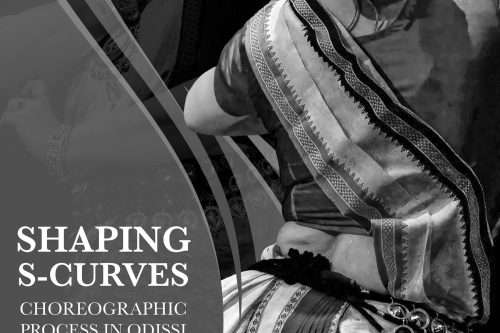
Sarkar’s new book, “Shaping S Curves: Choreographic Process in Odissi,” brings together discoveries from those conference experiences and from her decades as a student, teacher and professional performer to explore choreographic principles and techniques in Odissi Indian dance. Published by the J. Murrey Atkins Library through UNC Press, the book builds upon Sarkar’s ongoing scholarship, artistic creation and community-engaged entrepreneurship to demonstrate leadership in Odissi dance research.
Sarkar trained extensively in her native India and received a Ph.D. in Dance Studies from The Ohio State University. She is the only Odissi/Indian dance specialist in the UNC System.
In 2022, Sarkar received the University’s James H. Woodward Faculty Research Award. That same year she founded the journal South Asian Dance Intersections, a scholarly outgrowth of her annual conference. She was also awarded a grant from the National Endowment for the Arts for her choreographic project, “ShilpaNatyam: Creating a New Vocabulary in Indian Dance,” her second NEA grant.
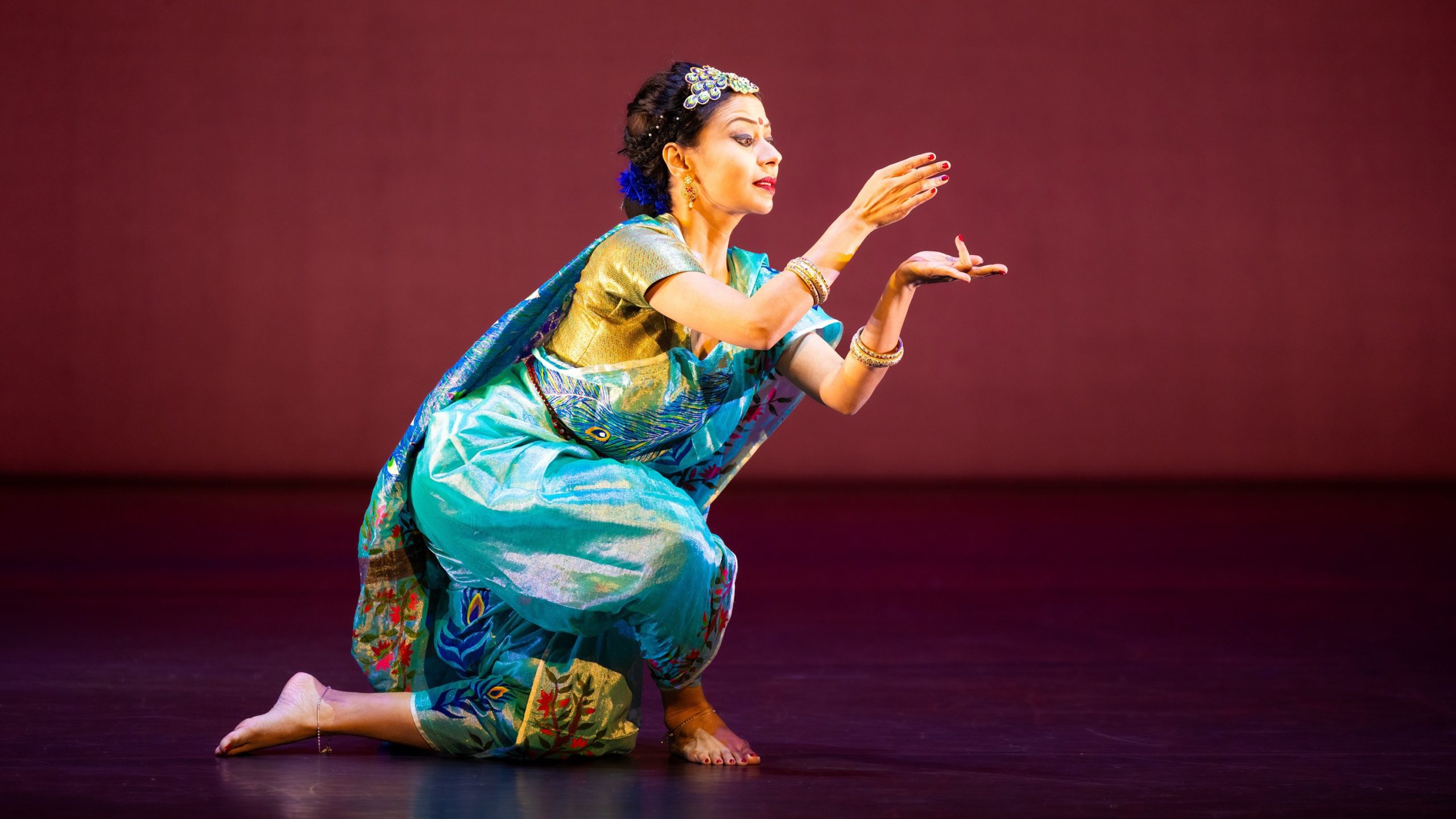
Sarkar has translated her vast pedagogical experience into both scholarship, such as her 2020 article in the journal Dance Education in Practice, and engagement with the local community. She has established a summer Indian dance youth camp on campus and an extensive local program for Indian diasporic arts education that includes an honors society for K-12 Indian dance students.
Sarkar’s practice-based research methodology is evident in “Shaping S-Curves.” Designed for artists, practitioners, teachers and students of Odissi, the book pairs sections on choreographic theory with case studies and includes sample curricula and pedagogical resource guides. It becomes available on May 15.
By Meg Whalen