Thank you for your interest in the Summer Design Academy! Registration for the 2027 program will open in early 2027.
Program Description
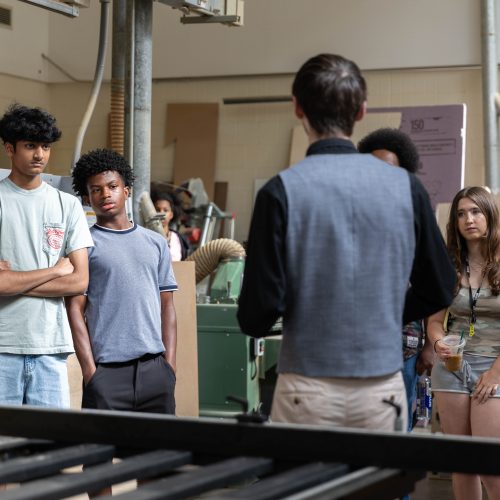
The UNC Charlotte School of Architecture Summer Design Academy is a one-week program that introduces high school students to the discipline and study of architecture. Students work in the studios of the David R. Ravin School of Architecture (SoA) and explore a variety of contemporary architectural issues through a series of design exercises.
Content
Participants are introduced to a wide range of topics and ideas in architecture through different types of instruction and learning: presentations by SoA faculty, alumni, and local professionals; design exercises steered by current students; discussions of historical examples from across cultures; and constructive critiques. Together, these activities simulate the culture and experience of an architectural education today, and introduce the participants to what an architecture education might look like for them. In the course of the program, the collection of projects created provide the participants an opportunity to generate work to use in a design portfolio for their college applications.
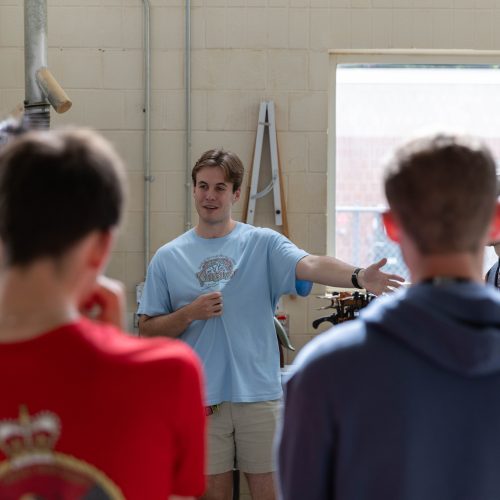
Presentations will be given by SoA faculty and invited guests (local architects, designers and artists) each day of the program in order to introduce participants to the different elements and opportunities in architecture and design. Participants will also be given the opportunity to work in groups led by current SoA students on design projects throughout the week.
Workshops will introduce various analog and digital skill sets that SoA students use on a regular basis. These sessions will help participants become familiar with the wide range of methodologies that are used in an architectural education.
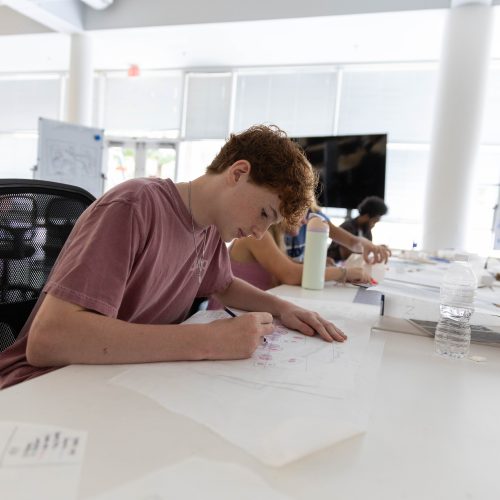
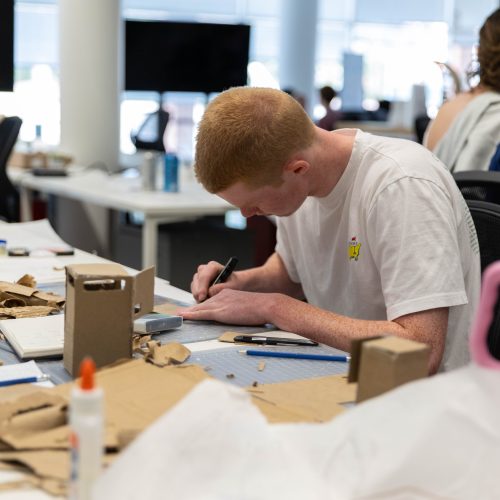
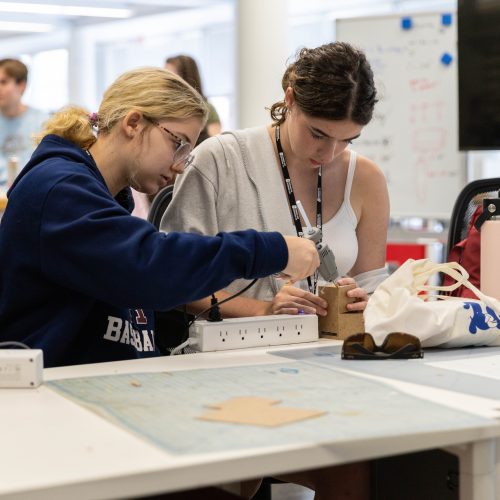
Group and individual projects will focus on ways to explore specific architectural concepts utilizing an array of analog and digital media. Participants will work with faculty and SoA students to make drawings, models and constructions at varying sizes, scales and levels of complexity.
Participants will be encouraged to engage in frequent formal and informal discussions about the program themes, selected readings and their role in design projects. These conversations will help develop a basic understanding of the vocabulary used to discuss design while introducing important historical and contemporary works of architecture.