Research in the School of Architecture

The work of faculty, students and staff at the David R. Ravin School of Architecture is characterized by six interrelated areas of distinction that contribute to the future of the architectural discipline. Together, these areas of distinction contribute to our goals of linking academic excellence and access, preparing students to be entrepreneurial designers and thinkers and expanding the disciplinary capacities of architecture in addressing social, technological and environmental challenges.

Architecture Research

The faculty and students in the David R. Ravin School of Architecture participate in a wide range of research, scholarship and creative and professional activities.

Most of it is collaborative and interdisciplinary. Faculty engage researchers within the School as well as in the fine and performing arts within the College of Arts + Architecture and in disciplines across campus, including engineering, geography and computer science. They also engage industry partners and civic and cultural institutions. Faculty in the SoA have received major grants from the National Science Foundation, the American Institute of Architects, the National Endowment for the Arts, the Gambrell Foundation, and more. Sponsored activities include urban design studies for local and regional municipalities and community groups, high performance building and optimization protocols, daylighting and energy analysis, digital design and fabrication components, the development of exhibitions, and interactive visualization.

Six Areas of Distinction

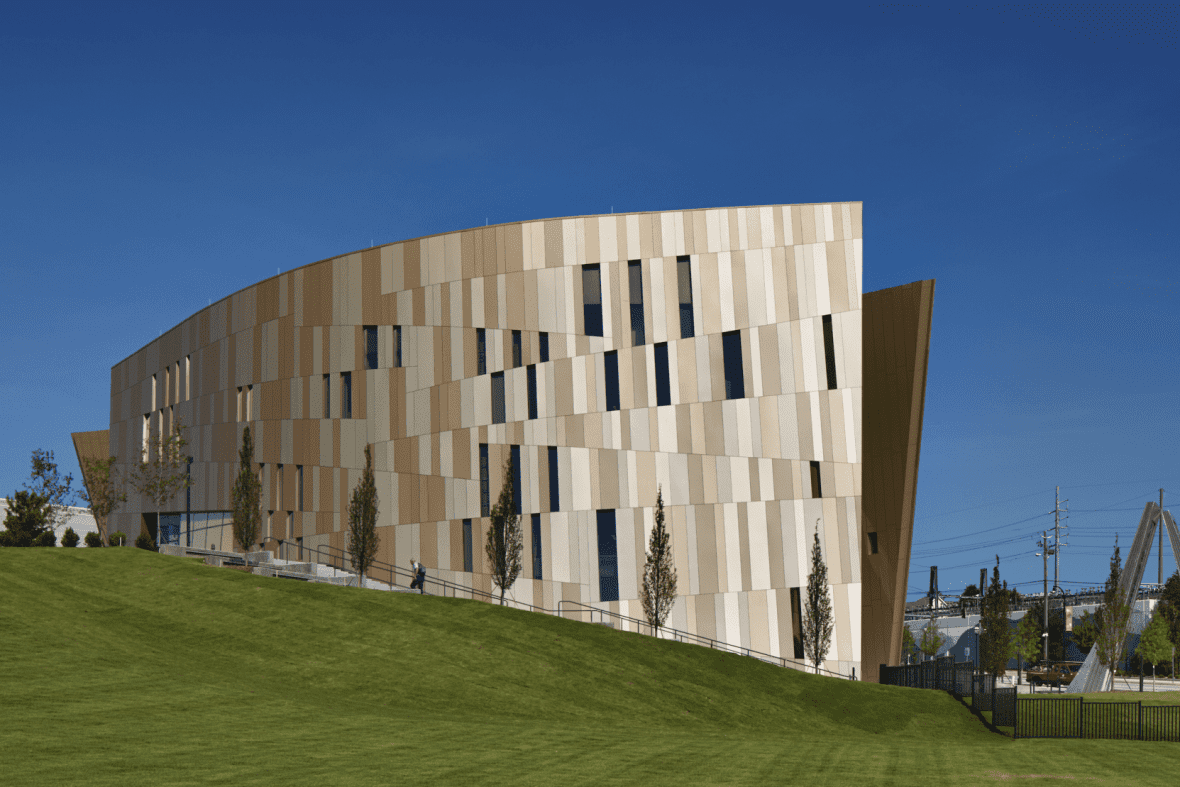
Architecture building on green grass and a blue sky
Applied Critical History
Applied Critical History extends the role of history beyond the classroom, engaging fundamental issues of cultural significance via new critical interpretations and speculative design proposals.
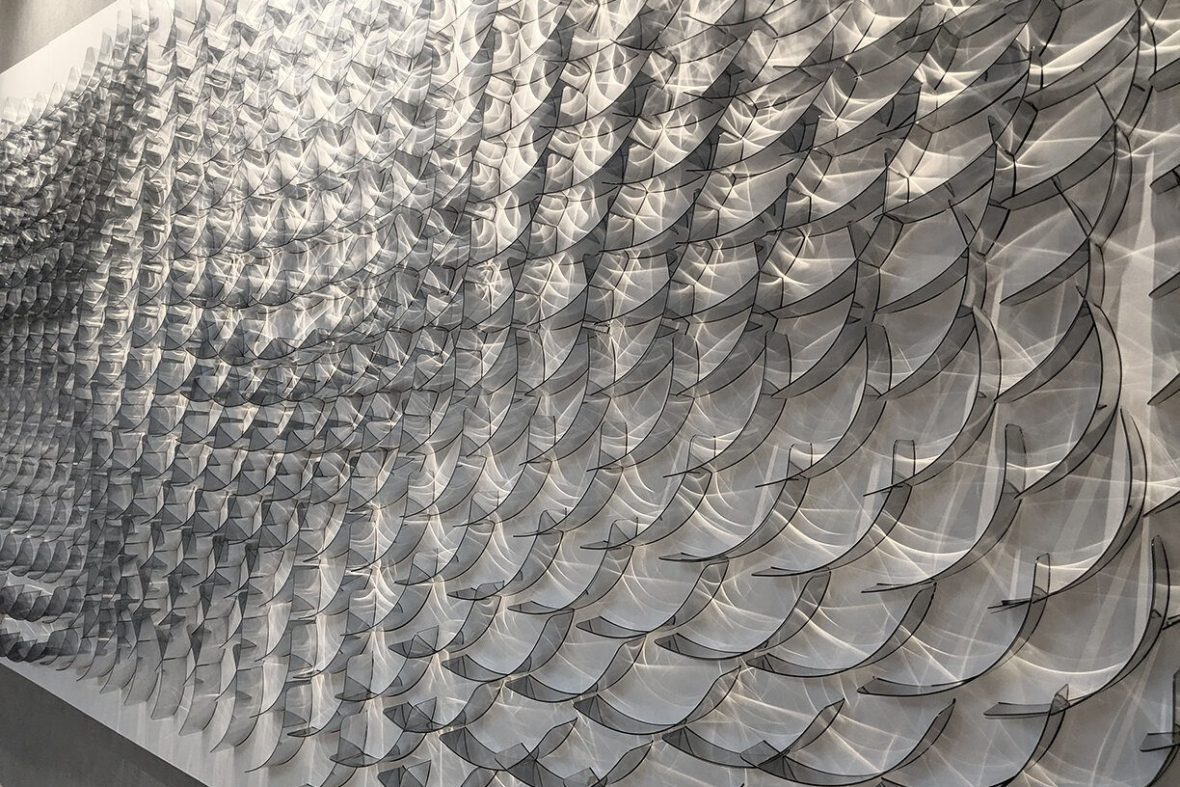
Art piece taking up full wall, silver waves of material
Emergent Material Practices
Emergent Material Practices envision untapped possibilities for conventional building products/systems and applications for new ones, seeking to expand the design, function and technical capacities of architectural materials.
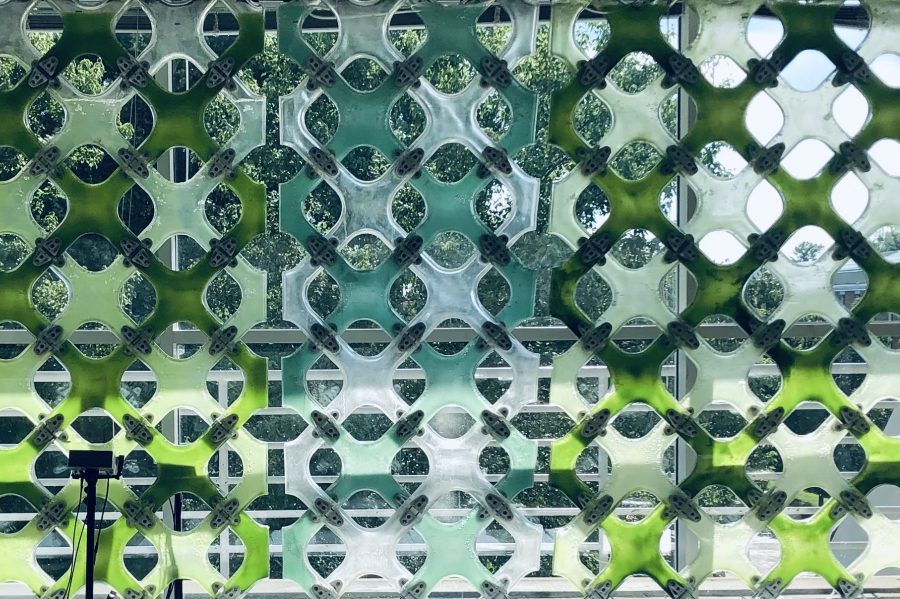
Close up of algae wall in diamond pattern against window
Regenerative Systems Design
Regenerative Systems Design consists of biologically attuned methods, substances and assemblies that expand building construction’s standard material palette and increase the environmental performance of architecture.
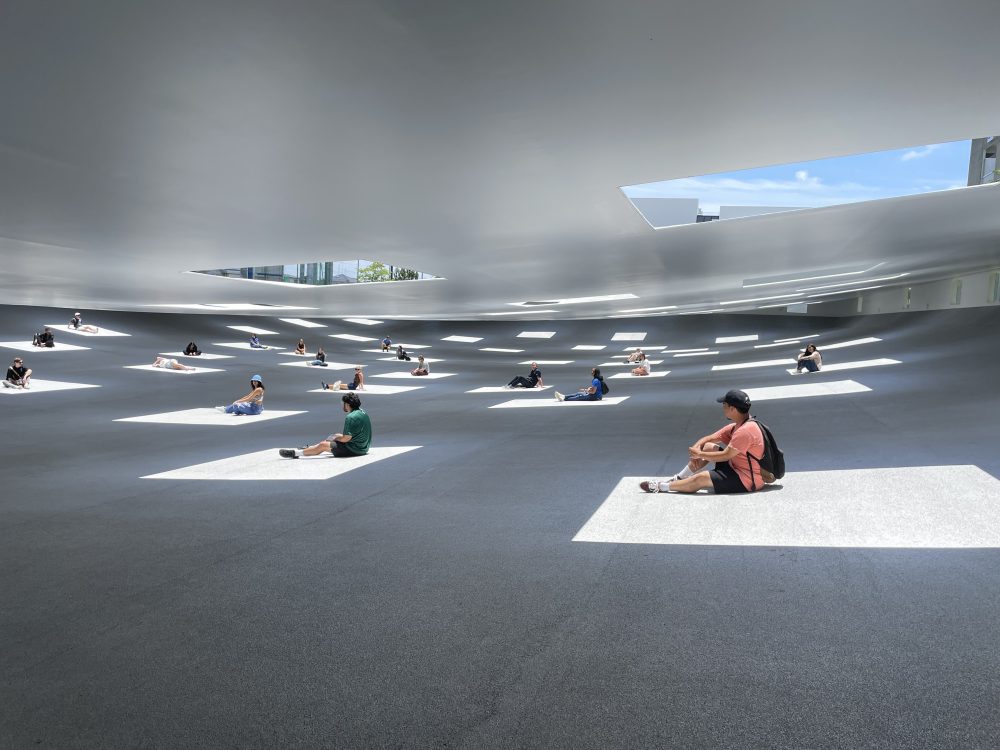
Students sitting under a large white roof inside squares the sun is casting
Intercultural Futures
Intercultural Futures addresses design’s capacity to engage in and serve a multicultural, global society.
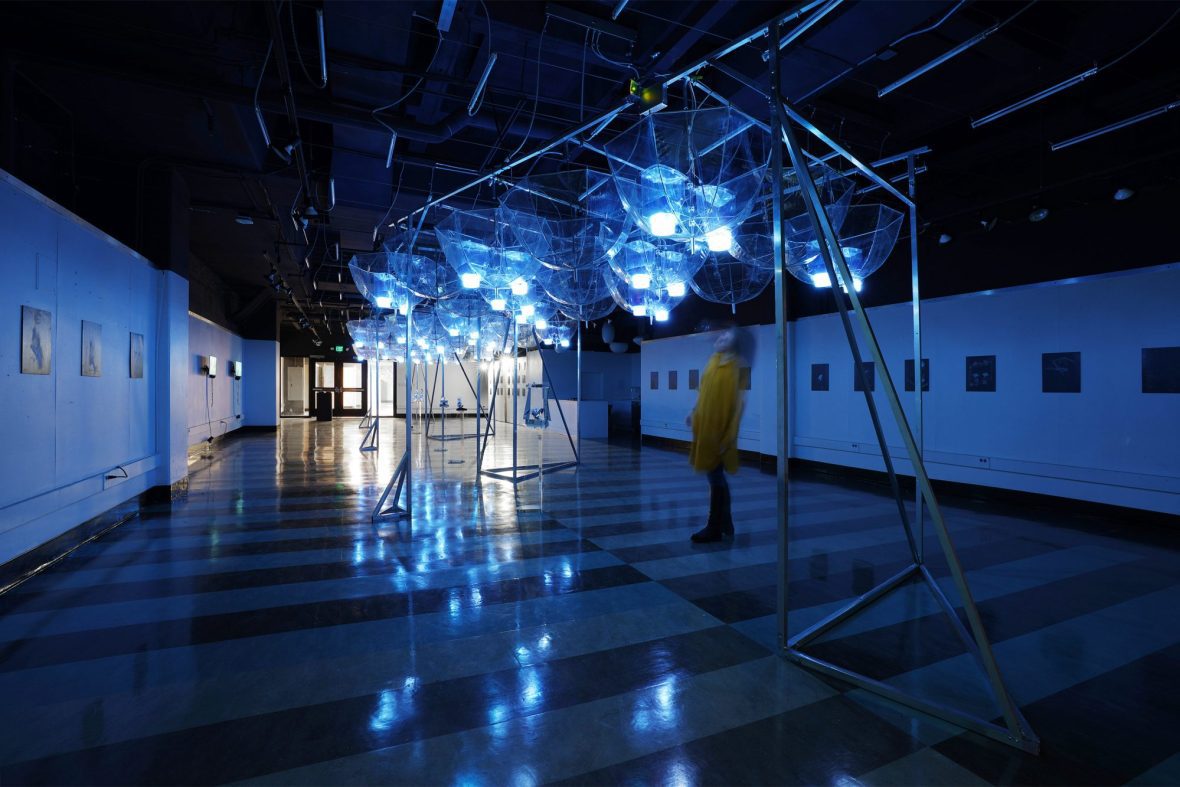
Gallery space with a person looking up at abstract clear umbrellas, all cast in a blue light
The Computed Environment
The Computed Environment considers the relationship between atoms and bits at all scales, developing design and experiential opportunities at the intersection of AR, VR, AI, IoT and robotics.
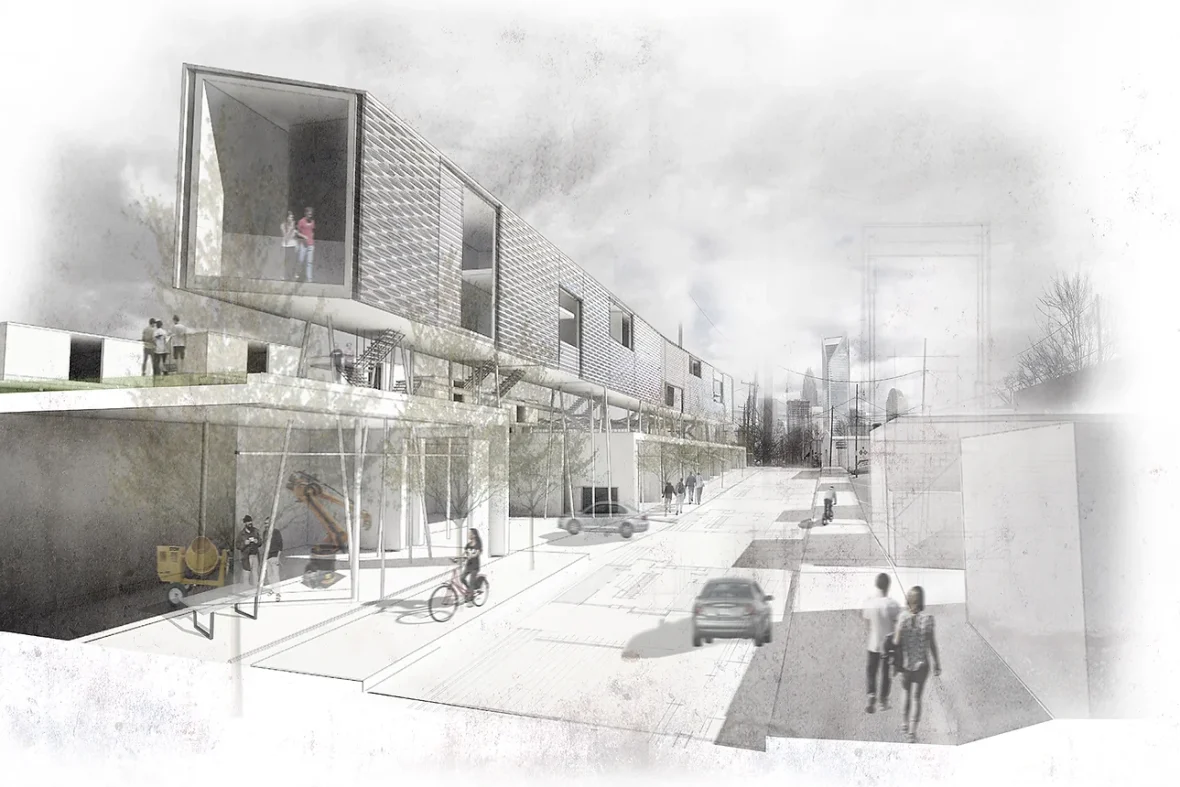
Architectural sketch of a building on a sidewalk
The Engaged City
The Engaged City explores a set of tactical urban design practices involving new approaches to community engagement, analysis and the design of metropolitan regions.

Architecture Research News

Learn more about research in the College of Arts + Architecture