Voice professor’s new album reveals the full range of composer Margaret Bonds
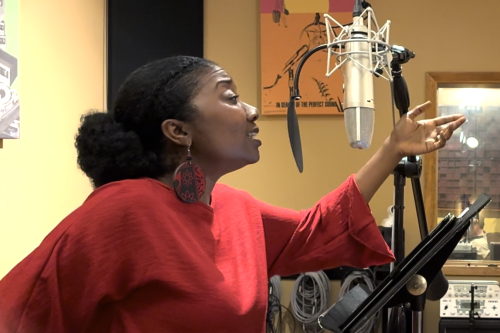
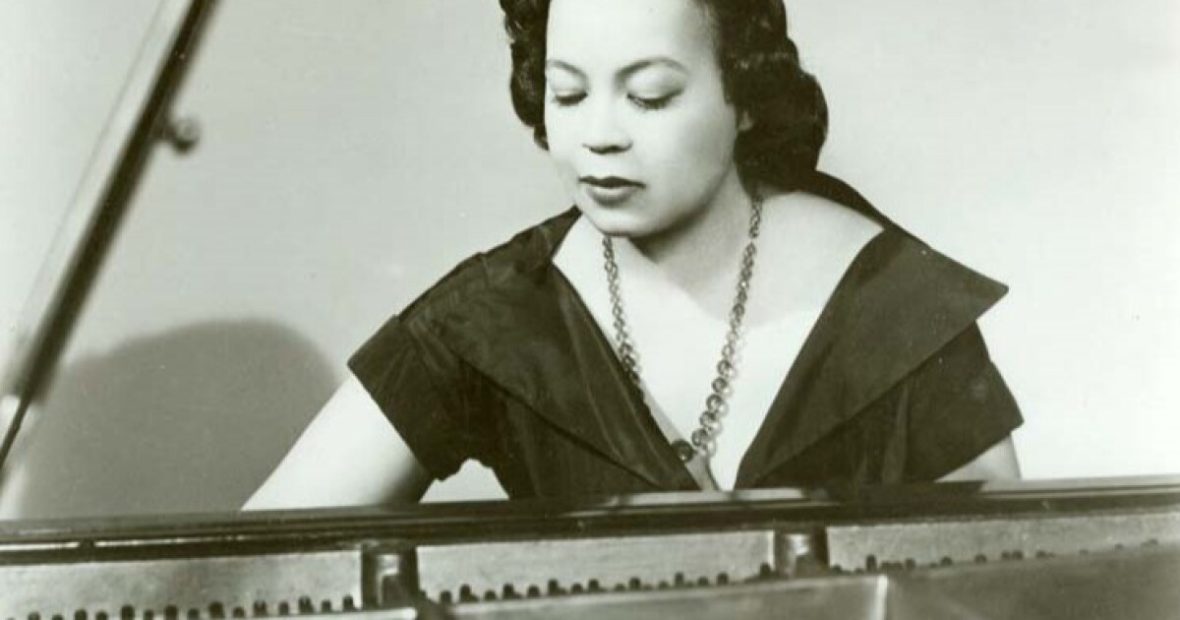
Margaret Bonds (1913-1972) is best known for her arrangements of African American spirituals, particularly those commissioned, performed and recorded by acclaimed soprano Leontyne Price.
But Bonds also composed more than 400 pieces of music, fewer than half of which were published during her lifetime. An album by Associate Professor of Classical and Contemporary Voice Sequina DuBose brings new recognition to Bonds and the wide range of her musical output. On Nov. 3, Parma Recordings will issue DuBose’s “Bonds Unsung: Revival of an American Legacy” on the Albany Records label.
“Margaret Bonds created music that beautifully brought together Black artistry, spiritual tradition, poetry, and a deep commitment to human dignity,” DuBose wrote in a public statement about the album. She also created music that, like DuBose, traverses classical and contemporary musical styles and genres.
“Bonds Unsung” features 18 tracks, and several are in fact spiritual arrangements that Leontyne Price championed. But true to its title, the album also presents newly published and unrecorded songs and choral pieces that, DuBose said, “prior to now have not had their day.”
“There has been a resurgence of interest and awareness of the breadth of music that she composed. So much has just recently come to light.”
Much of the interest and awareness is the result of a new Bonds biography by John Michael Cooper, which came out in March 2025. DuBose met Cooper at a symposium about Bonds held at Queens University of Charlotte in 2023, at which DuBose performed music by Bonds. It was there that DuBose learned about “Bitter Laurel,” a musical that Bonds composed in the late 1960s. DuBose, who coordinates the Musical Theatre Certificate program at UNC Charlotte, was intrigued.
“I wondered, how can I get my hands on it?” she said.
“Bitter Laurel” is about Elizabeth Keckley, an extraordinary woman who suffered years of brutal enslavement before purchasing her own freedom. A talented seamstress, she moved to Washington, D.C., and became dressmaker to politicians’ wives, including Mary Todd Lincoln. Late in life, Keckley wrote and published an autobiography, “Behind the Scenes: Or, Thirty Years a Slave and Four Years in the White House.”
The musical was never fully realized, said DuBose. While Bonds’ music illustrated her diverse palette, blending gospel, spirituals, vaudeville, classical traditions and popular ballad styles, “some of the songs were in lead sheets only.”
So DuBose put together a team that included Cooper, the composer Christopher Washington, music director Justin Smith, stage director Margarette Joyner and Keckley scholar Janaka Lewis, professor of English and associate dean of curriculum and success in the College of Humanities & Earth and Social Sciences at UNC Charlotte. They worked together to tighten the libretto and complete the music.
In partnership, DuBose and Smith, choral director at Queens University of Charlotte, presented the world premiere of “Bitter Laurel” in April 2026 at Queens. The event included a pre-show panel discussion that included Margaret Bonds’ great-niece, Eleanor Boswell-Raine, and Elvira Green, a former Metropolitan Opera singer who had worked with Bonds and who coached DuBose during the preparation for “Bonds Unsung.”
The semi-staged production, with DuBose as vocal director, was supported by DuBose’s Faculty Research Grant from UNC Charlotte and Smith’s Noble Fellowship from Queens. The full “Bitter Laurel” score and newly edited libretto will be published in the upcoming year.
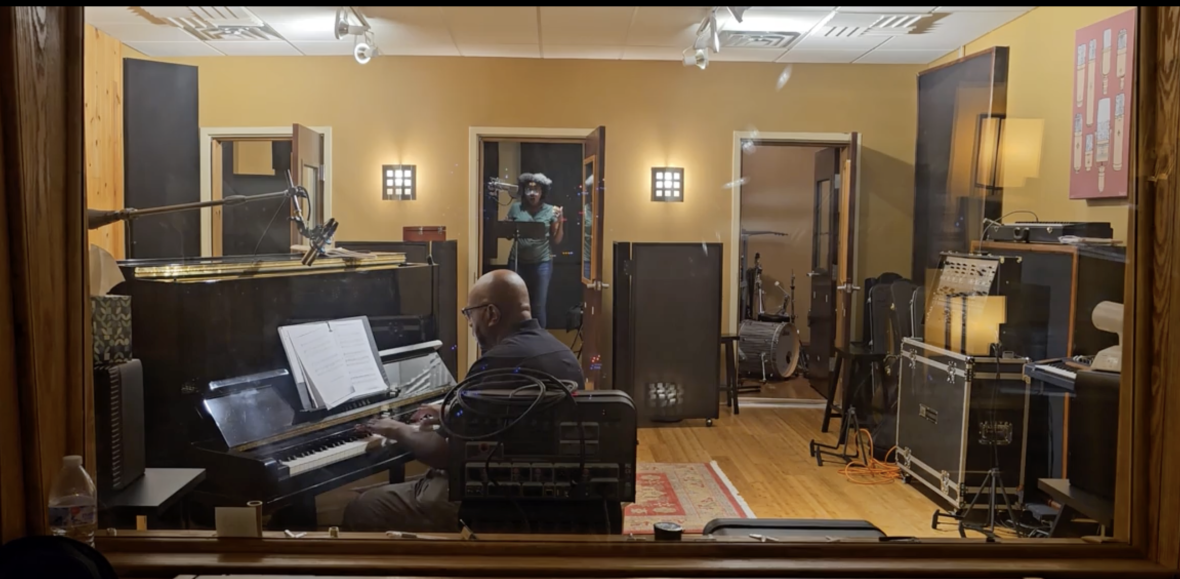
Nine of the tracks on “Bonds Unsung” are from “Bitter Laurel.” Other tracks include the jazzy “Mist Over Manhattan,” performed by a small vocal ensemble that features several UNC Charlotte students and alumni, and the culturally critical “Note on Commercial Theater,” with text by Langston Hughes that, DuBose said, “rebukes the industry for exploiting Black music.”
“That’s the kind of music from her that we don’t know about. People don’t realize just how multifaceted she was. She had her hands in everything.”
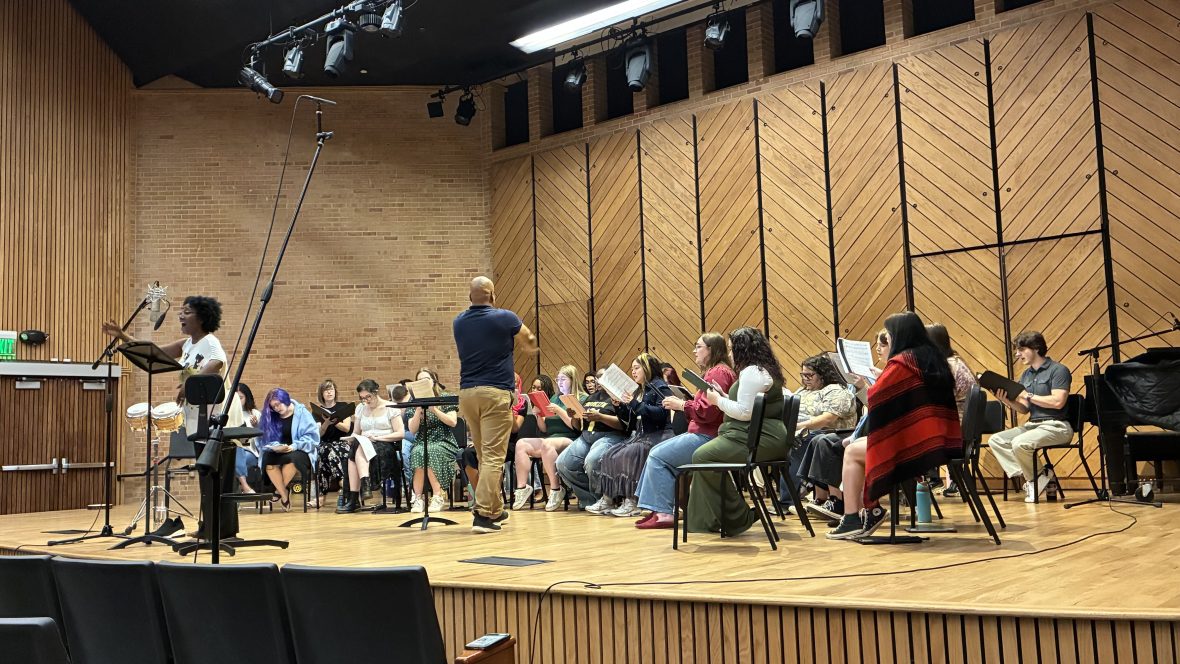
Several of the tracks were recorded in Rowe Recital Hall with the University Chorale, conducted by Jason Dungee, director of choral activities. DuBose was pleased for students to learn music by Bonds. And she hopes that the album, the published “Bitter Laurel” score, and future productions and performances will continue to illuminate the many contributions Bonds made to American music.
“We’re doing the work of bringing her music to the public, giving it a platform that it didn’t have in her lifetime.”
Written by Meg Whalen. Photos courtesy of Sequina DuBose.