UNC Charlotte Department of Art & Art History in 60 Years
In 2024, the Department of Art & Art History celebrated its 60th anniversary! Journey through 60 years of history with the UNC Charlotte Department of Art & Art History, from Maud Gatewood’s early contributions in the 1960s to achievements by departmental faculty in recent years. Many people have played vital roles in the establishment and growth of this program, and the significance of their work stretches across our city and far, far beyond. Below are just some of the highlights of this remarkable story.
1964
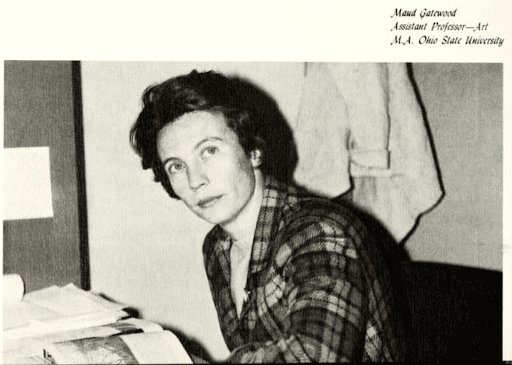
In 1964, Maud Gatewood was hired by Bonnie Cone to begin arts programming at the new Charlotte College campus. Gatewood had just returned from a Fulbright to Austria and was building a national career as a painter. Inspired by Black Mountain College, which she attended during summers as an undergraduate, she planned a curriculum that celebrated its open format. The following year, Charlotte College was added to the UNC System and became UNC Charlotte.
1966
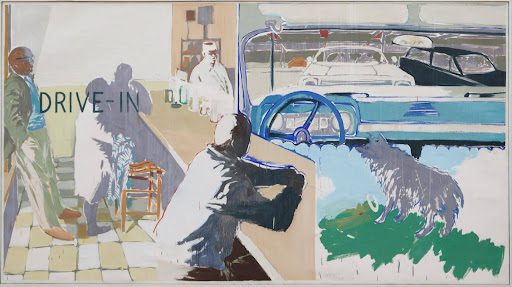
Maud Gatewood had a solo exhibition at the Mint Museum in 1966 that featured 50 paintings, including Drive-In, which is now in the University collection. “Maud Gatewood is one of the most important talents on the Charlotte scene,” the Mint catalogue stated. “Her work exists on a plane equal to any contemporary production of her generation – anywhere.” The Mint Museum now holds 27 Gatewood paintings in its collection. UNC Charlotte holds 16 Gatewood works in its collection.
1968
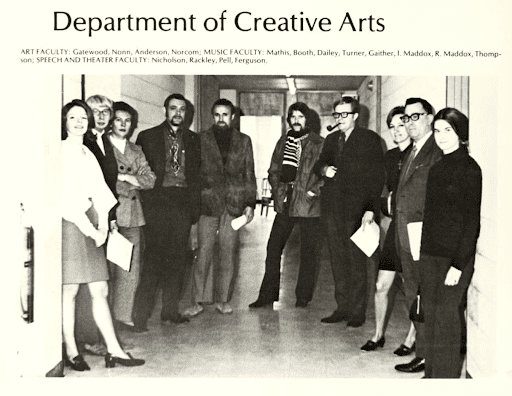
The new Department of Creative Arts was established in the College of Humanities in 1968, and the first Bachelor of Arts degree in art was awarded in 1970. It was Eric Anderson, pictured in the center of this group photo from 1971, who led the way over the coming decades in expanding the art curriculum, medium by medium.
In 1972, the interdisciplinary Bachelor of Creative Arts degree was established. Students could pursue and combine work in all areas, including music and theatre. The program was modelled on a traditional music conservatory, with elements of the Bauhaus-style of Black Mountain College. Students built their own programs, were graded on a pass/fail basis, and had no formal courses.
1971
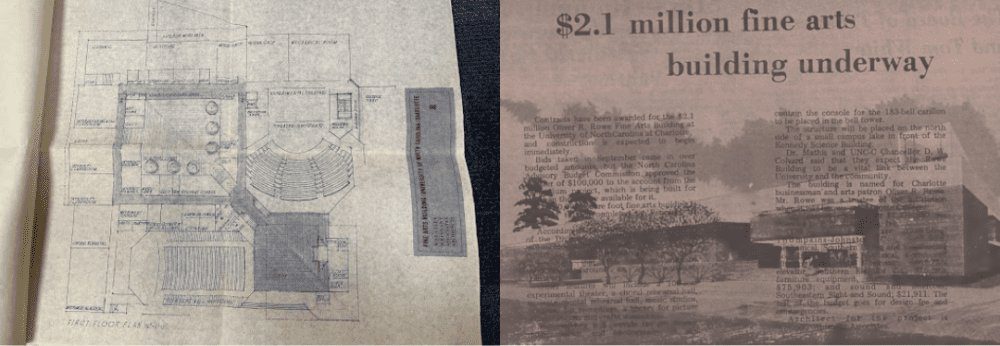
Charlotte architect Murray Whisnant was hired in 1967 to design a building that would include venues for Theater, Music, and the Arts. Rowe Arts, named for Oliver Rowe, opened in 1971.
1972
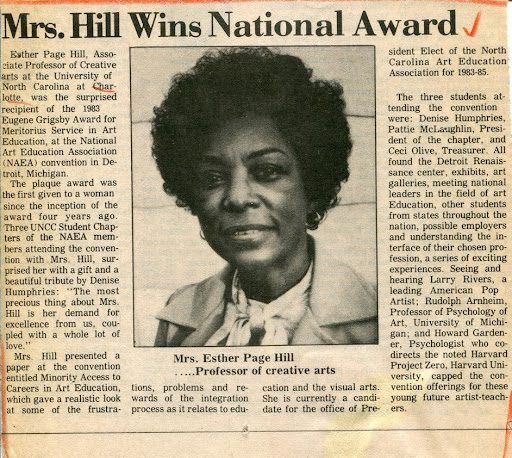
Esther Page Hill was hired in 1972 to originate the Art Education program. Her obituary describes her as the first African-American woman with a doctorate at UNC Charlotte, a degree she would earn from the University of Florida in 1986 in her sixties. In 1983, Hill won the Eugene Grigsby Award for Meritorious Service from the National Art Education Association. The award honors people who have made a significant contribution in art education to cultural diversity and ethnic heritage in the global arts conversation. In 1989, the year of her retirement from UNC Charlotte, she received the National Association of Women’s “NOW Black Woman Award” at the national convention in Westchester, NY.
1973-75
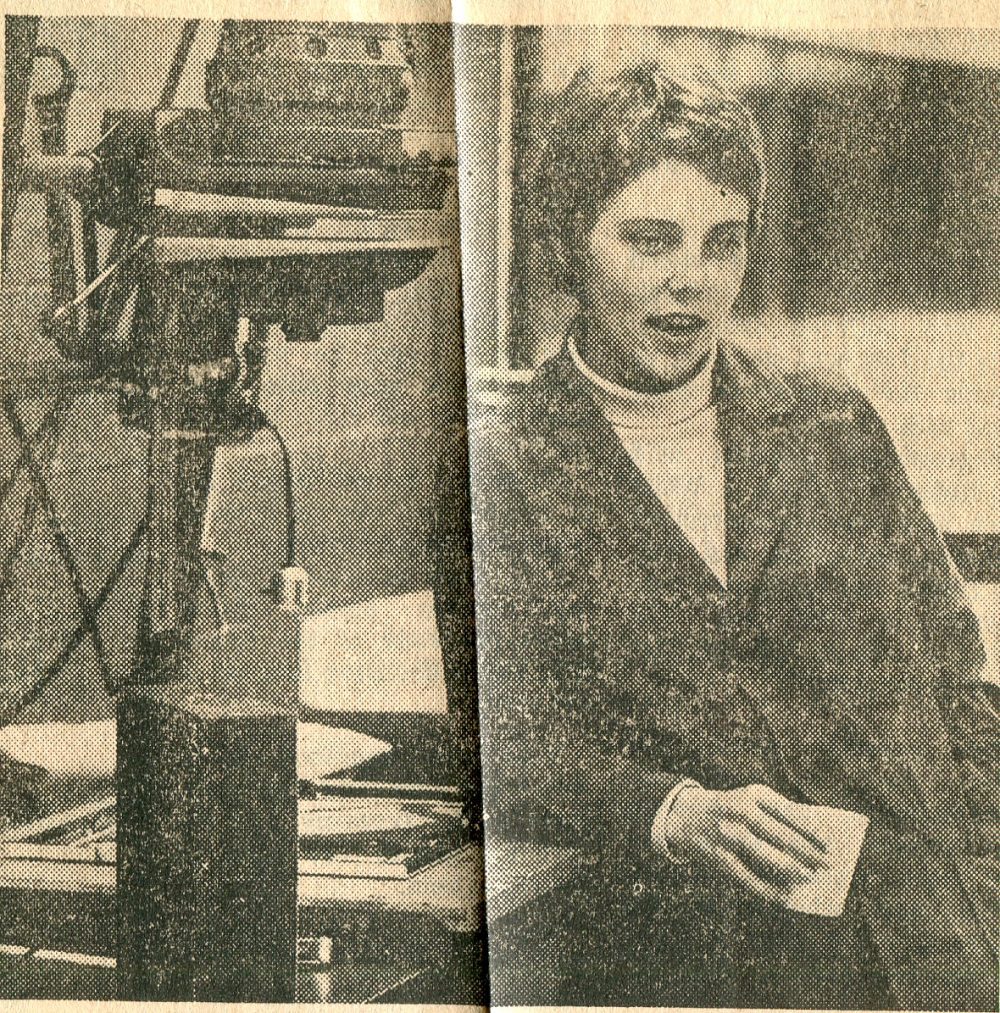
In the mid 1970s, photography professor Martha Strawn was a co-founder and early director of a new arts organization in Charlotte called The Light Factory, which still exists today.
In 1994, Strawn won the UNC Charlotte Woman of the Year award, an award that honors women leaders in the city, once granted to University founder Bonnie Cone.
Strawn received the honor for her leadership of The Light Factory.
1978
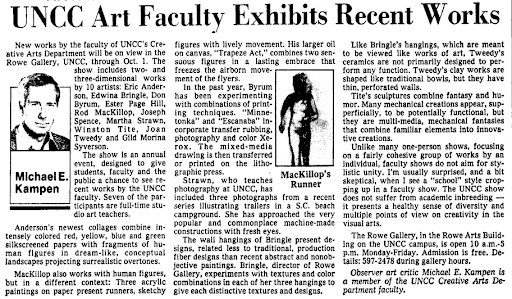
In 1978, Michael Kampen was hired as the department’s first art historian.
He took a post as art critic for the Charlotte Observer soon after moving here, and his first column premiered on October 8.
1982
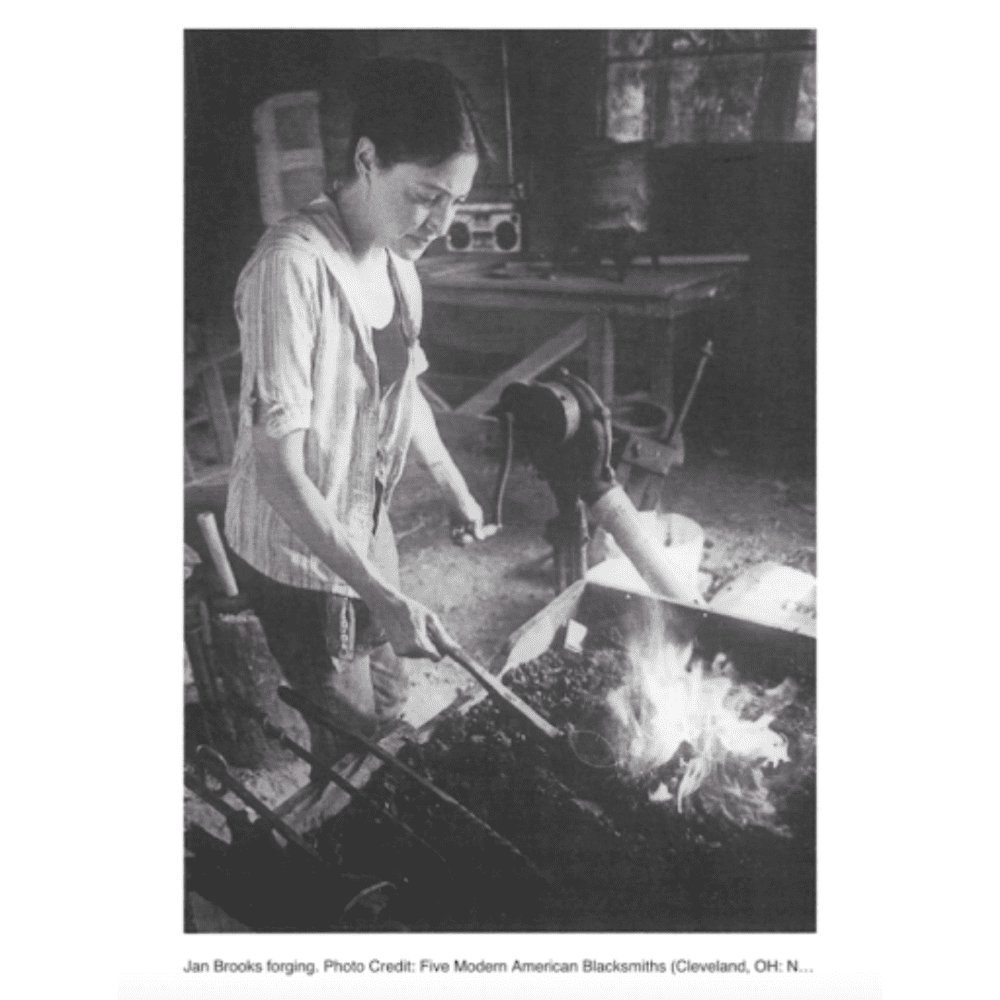
In 1982, Jan Brooks Loyd, professor of metalsmithing, had two works acquired by London’s Victoria and Albert Museum for its show Towards a New Iron Age.
She was one of only six Americans at that time ever to be accessioned to the collection.
1987
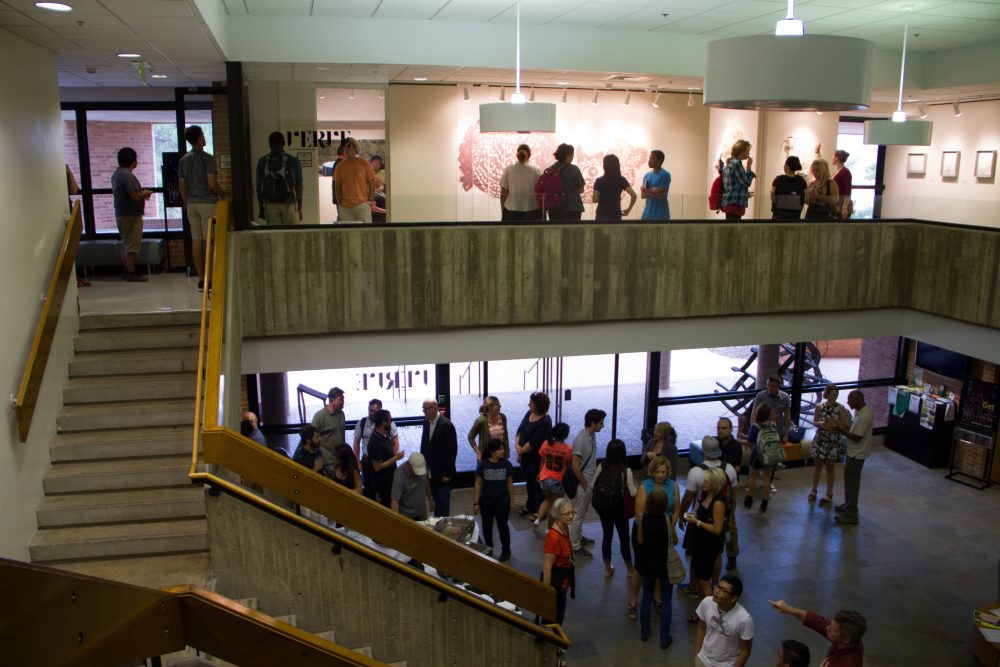
The Department of Creative Arts broke into units in 1985, resulting in the establishment of the Department of Visual Arts. January 1987 saw the introduction of the department’s alumni exhibition, created by painting professor Rod MacKillop. In 2017, MacKillop’s family established three endowments at the University in his memory. The endowment funds support student scholarships and the biannual exhibition of alumni work in the department.
Pictured: 2015 Alumni Exhibition
1988
Eldred Hudson was hired in 1988 to build a new graphic design curriculum and later became the chair of the department.
He would grow the area during his time at UNC Charlotte, eventually supporting four new colleagues and building the foundation of future BFA in Graphic Design.
1991
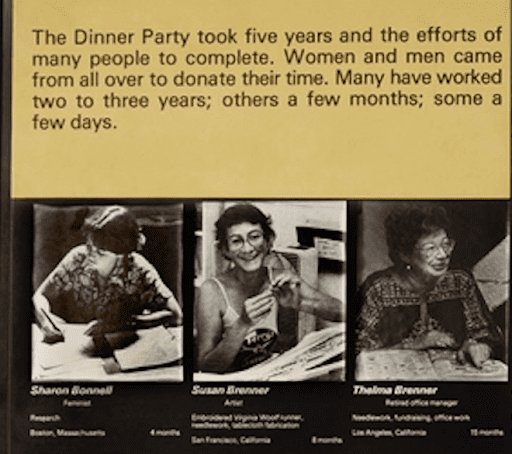
Susan Brenner was hired as professor of drawing and painting in 1991. A feminist, Brenner was a collaborator with Judy Chicago on The Dinner Party, having worked as an embroiderer on the large table runners, and the place settings of Artemisia Gentileschi and Virginia Woolf. Her 1993 solo show at the Mint Museum, Memory Traces, called for the empowerment of women.
Brenner offered the first “Field Study in Visual Art” to New York during Spring Break in 1993. Students traveled to the city and visited museums and contemporary art galleries. This popular class would be offered repeatedly over the coming decades, a mainstay of the studio program.
1993
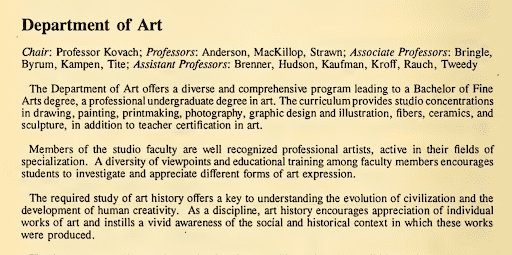
In 1993, the faculty voted to change the name of the department from Department of Visual Arts to Department of Art, a move that would increase its visibility in the university catalogue of courses and other administrative lists and would advertise the new Bachelor of Fine Arts degree.
These changes took place under the direction of department chair and printmaker Don Byrum.
1999
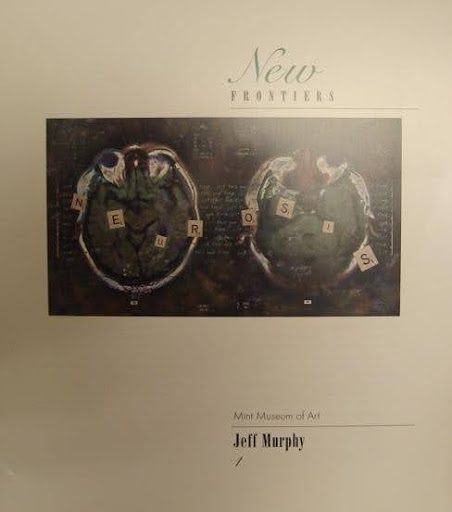
Jeff Murphy was hired to be the department’s first professor of digital media (called electronic media at the time) in 1998 and the following year was invited for a solo exhibition at the Mint Museum, displaying a body of work called New Frontiers.
2000
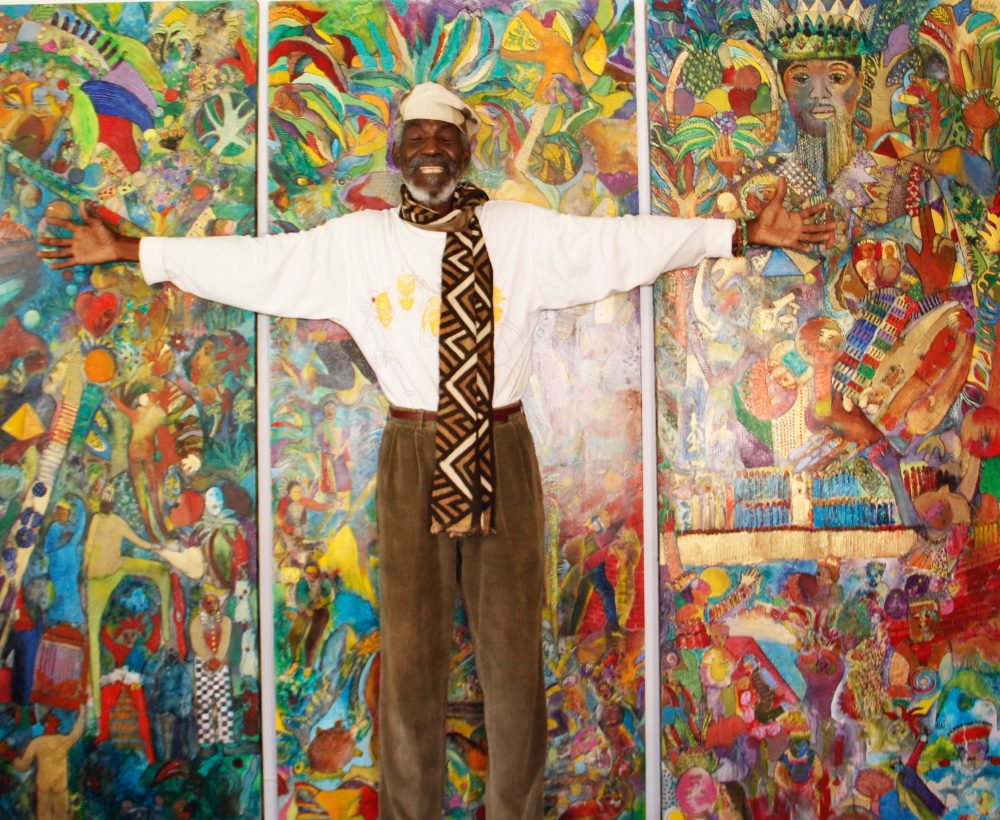
A celebratory exhibition of T. J. Reddy showed in Rowe Gallery in 2000. Reddy, an alumnus of UNC Charlotte, was a civil rights activist in the region and one of the “Charlotte Three” who were wrongly arrested and imprisoned for a stable fire.
UNC Charlotte owns 14 of Reddy’s works, making it one of two major collections that exist for this artist. In 2017, the University presented a retrospective of his work in the exhibition “Everything is Everything” at the Projective Eye Gallery.
2004
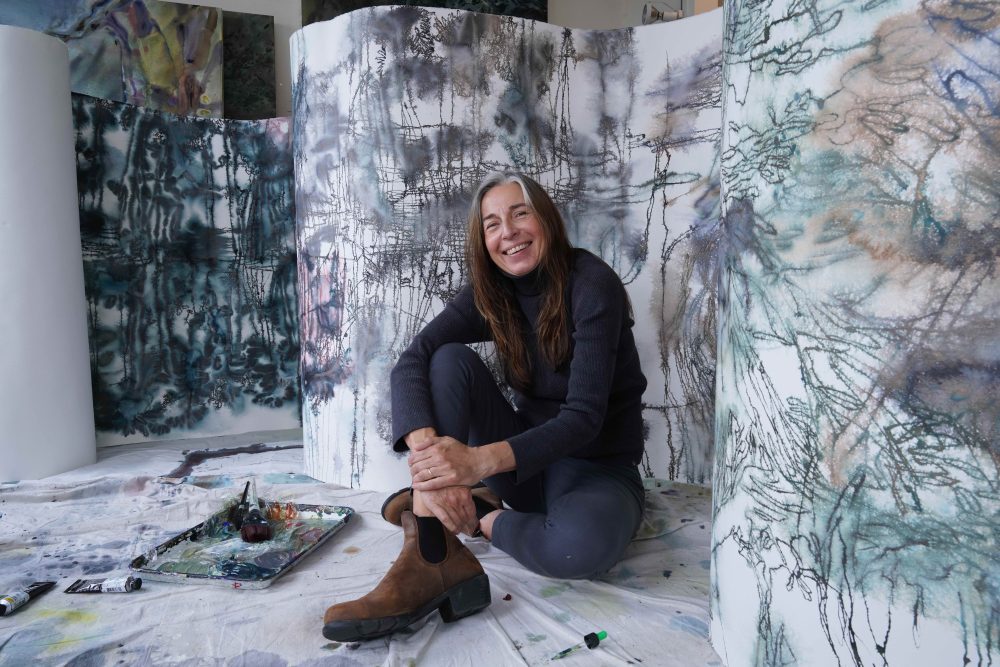
In 2004, Maja Godlewska, from the Geppert Academy of Art in Wroclaw, Poland, was hired as professor of painting, and her husband, Marek Ranis, joined the department three years later. In addition to their prolific international art careers, the two helped establish an institutional partnership with the Geppert Academy that allows for both student and faculty exchanges.
2006
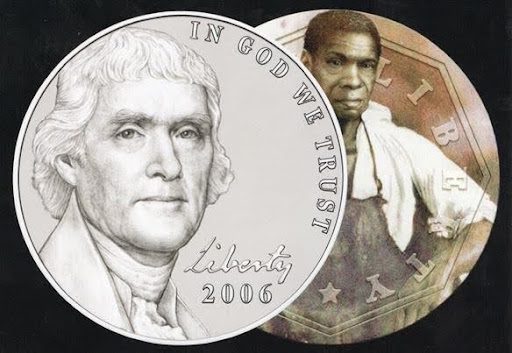
Illustration professor Jamie Franki’s forward-looking image of Thomas Jefferson was selected from 147 design candidates from throughout the country for the “heads” or obverse side of the new nickel, issued by the U.S. Mint in 2006. Franki also designed the reverse image on the 2005 American Bison nickel. He was profiled in Life Magazine for his coin design work.
2007
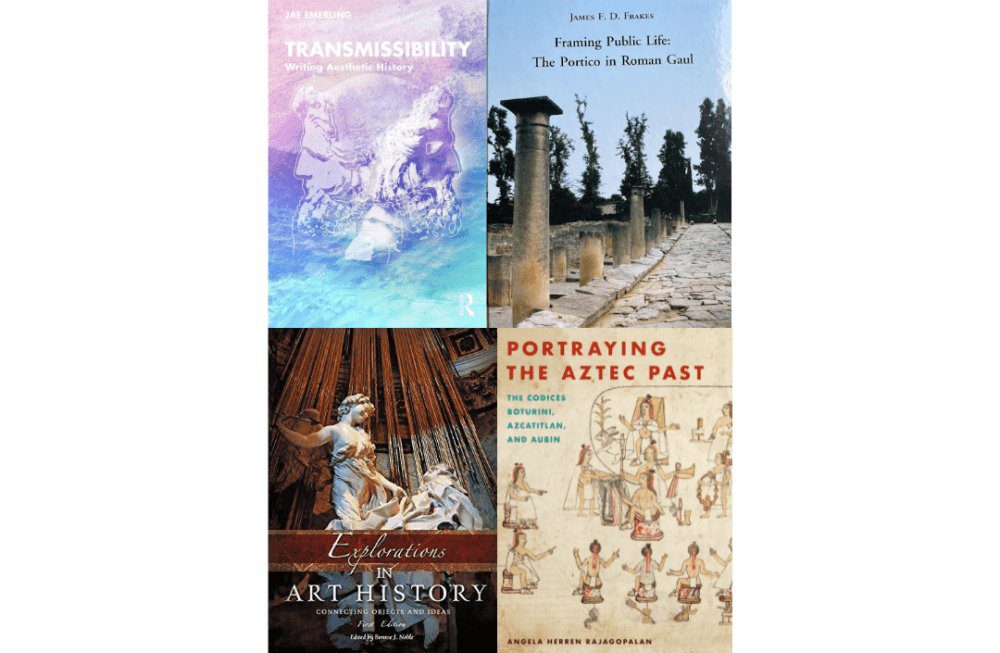
With the addition of the B.A. in Art History, the Department of Art became the Department of Art & Art History in 2007.
The department has five widely published art historians on faculty, including the current chair of the department, Angela Rajagopalan.
2010
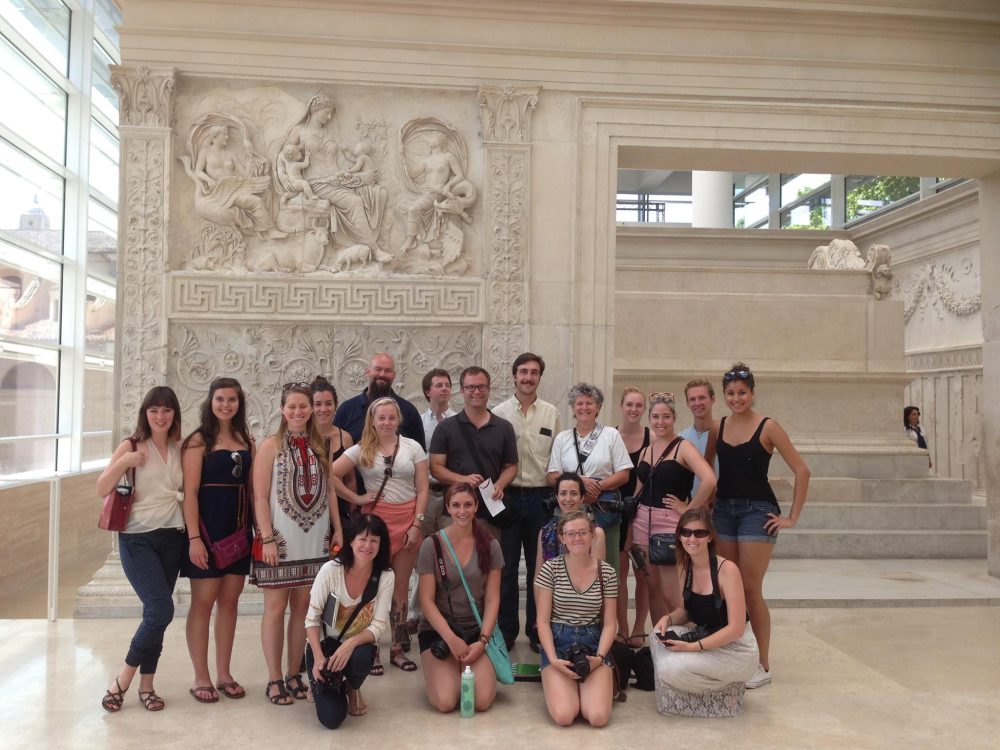
In 2010, professors Aspen Hochhalter and Jim Frakes organized the department’s first summer study program in Rome, run biennially ever since.
Since 2022 it also takes students to the Venice Biennale to encounter the spectacle of the world’s most intense art conversation.
2015
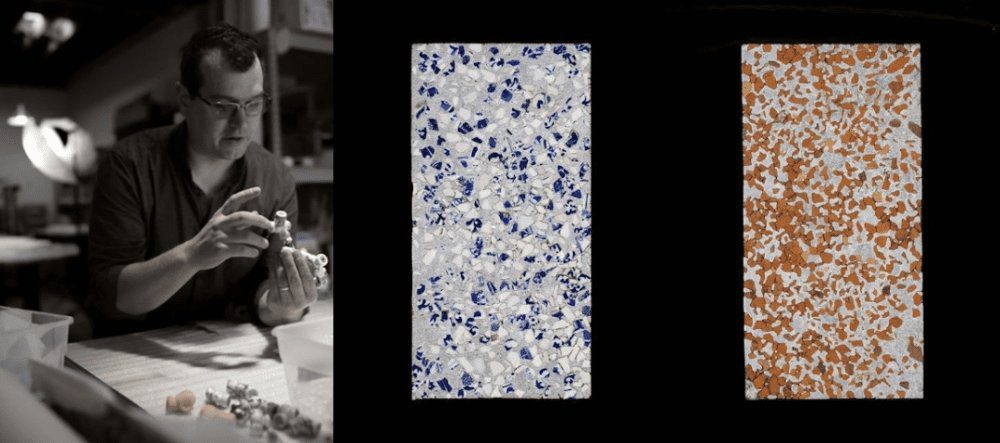
Tom Schmidt was hired in 2013 to develop a new Digital Fabrication Lab for the department. In 2015, Schmidt had work accessioned into the collection of the Victoria and Albert Museum in London and also won the Bronze Prize in the Gyeonggi International Ceramic Biennial in South Korea, one of the most prestigious international venues for ceramic works.

2023
Two faculty in the department received major grants from the National Endowment for the Humanities. Art historian Lisa Homann is part of a team to receive a $400,000 grant to develop the exhibition New Masks Now: Artists Innovating Masquerade in Contemporary West Africa.
Professor of Digital Media Heather Freeman received a $389,000 grant to produce her podcast, Magic in the United States: 400 Years of Magical Beliefs, Practices, and Cultural Conflicts, distributed by Public Radio International (PRX).
2024
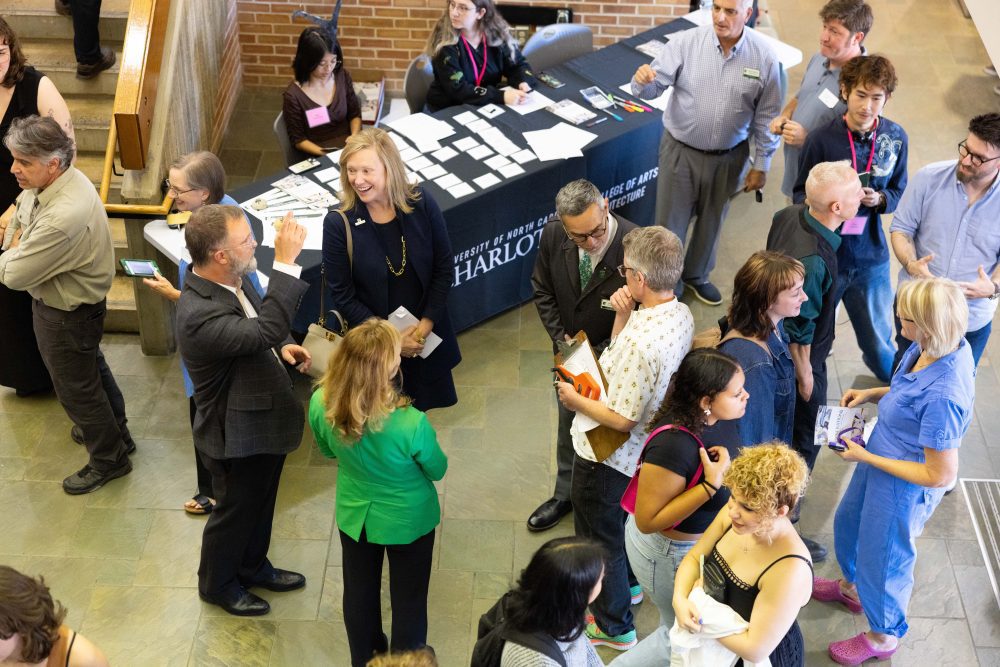
On October 10, 2024, more than 200 people, including Chancellor Sharon Gaber, gathered in Rowe Arts for the opening of Generations – 60 Years in 21 Conversations, curated by Professor Jim Frakes and featuring work by department alumni and current and retired faculty. Learn more about the exhibition and opening reception event in this university news article.
Earlier in this year, Professor of Art Lydia Thompson received a 2024 National Council on Education for the Ceramic Arts (NCECA) Honorary Member Award, given to individuals “whose commitments to creativity, scholarship, activism, or professionalism have made transformative contributions to the ceramic arts.”